← The Cancer Blog

Questions & Perspectives

Short, thought-provoking posts exploring research findings, hypotheses and new ideas.

Questions & Perspectives

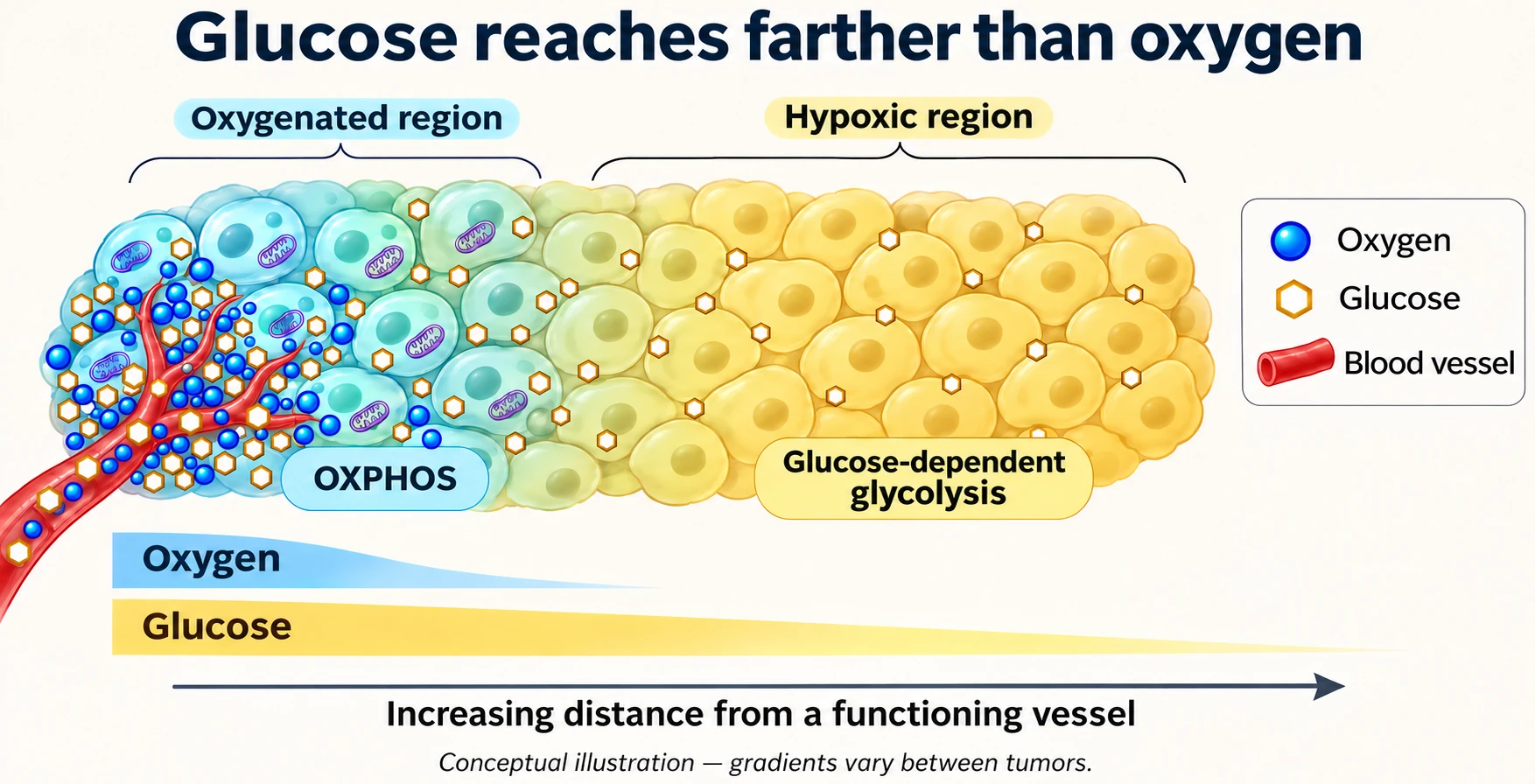
Do tumor cells prefer glycolysis or need it?

For almost a century, the Warburg effect has shaped how we talk about cancer metabolism. But the word “prefer” can hide a more basic question: which fuels and pathways are actually available to a cell, and which are required for its survival?

Read the note →
Questions & Perspectives

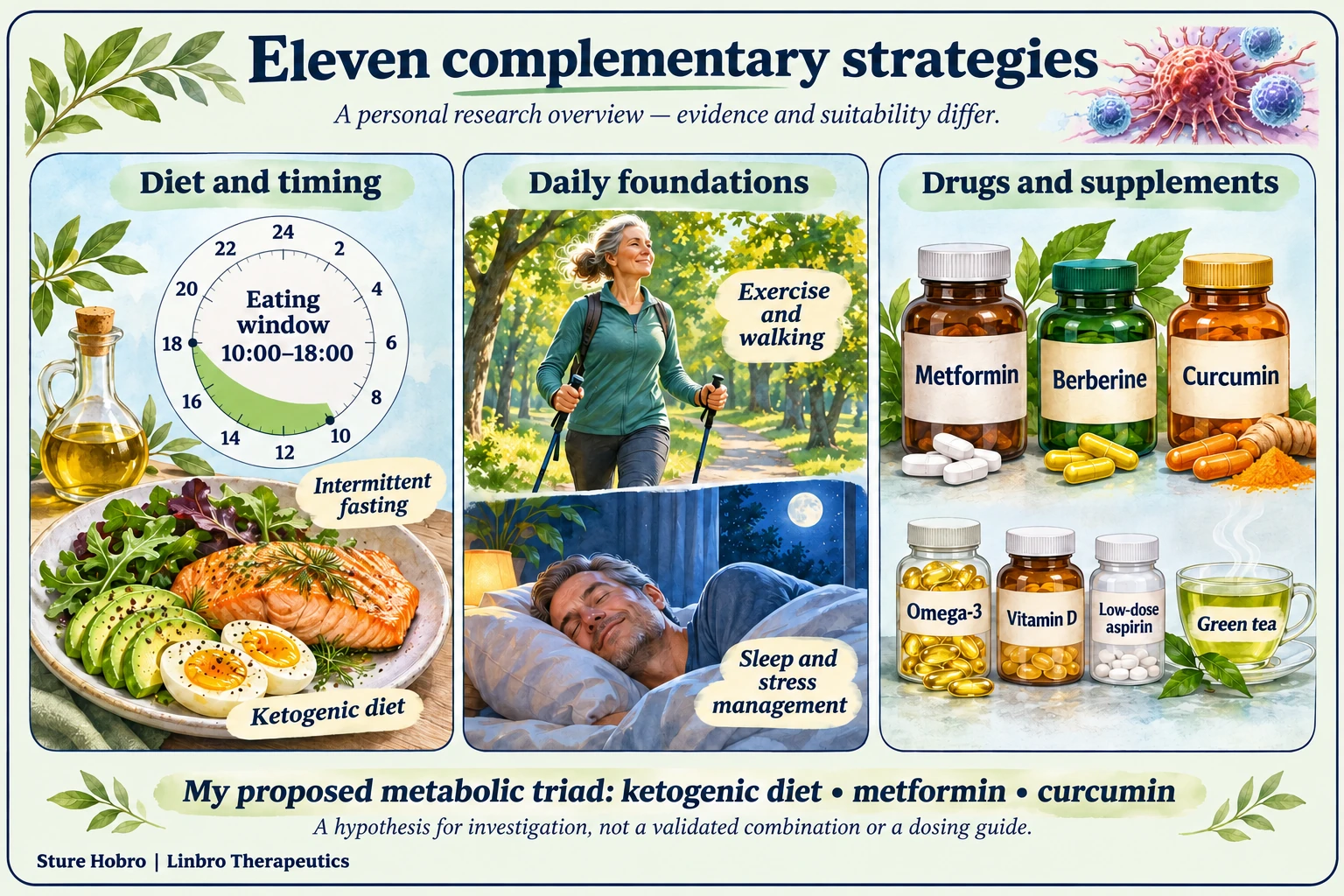
Eleven complementary strategies worth discussing

After about 25,000 hours studying cancer metabolism since 2017, I have collected a set of complementary strategies that I would want to use if I were diagnosed with cancer. They range from daily habits to dietary approaches, drugs and supplements. They do not all have the same evidence, purpose or risk.

Read the note →
Questions & Perspectives

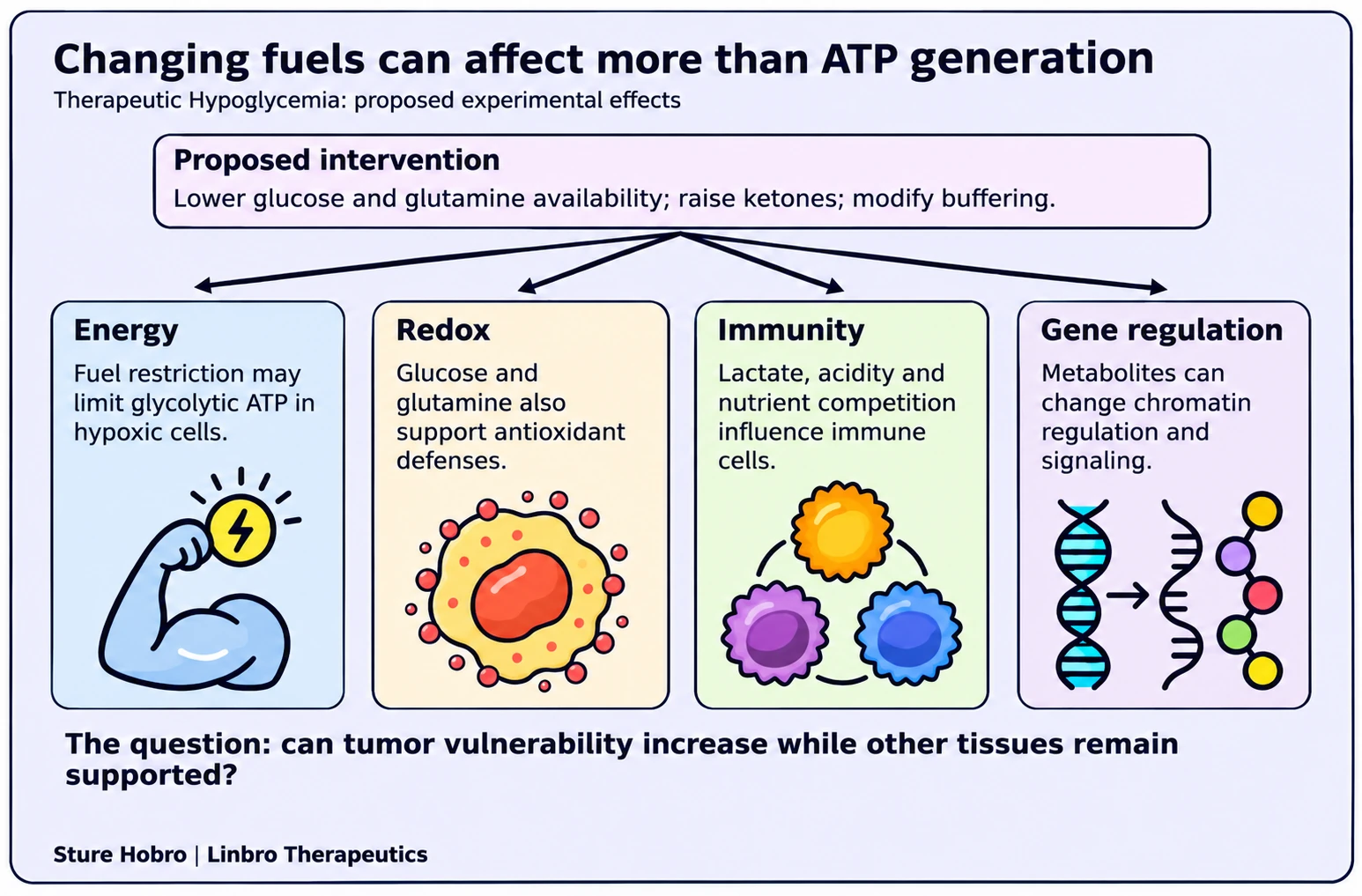
Changing tumor fuels can affect more than energy

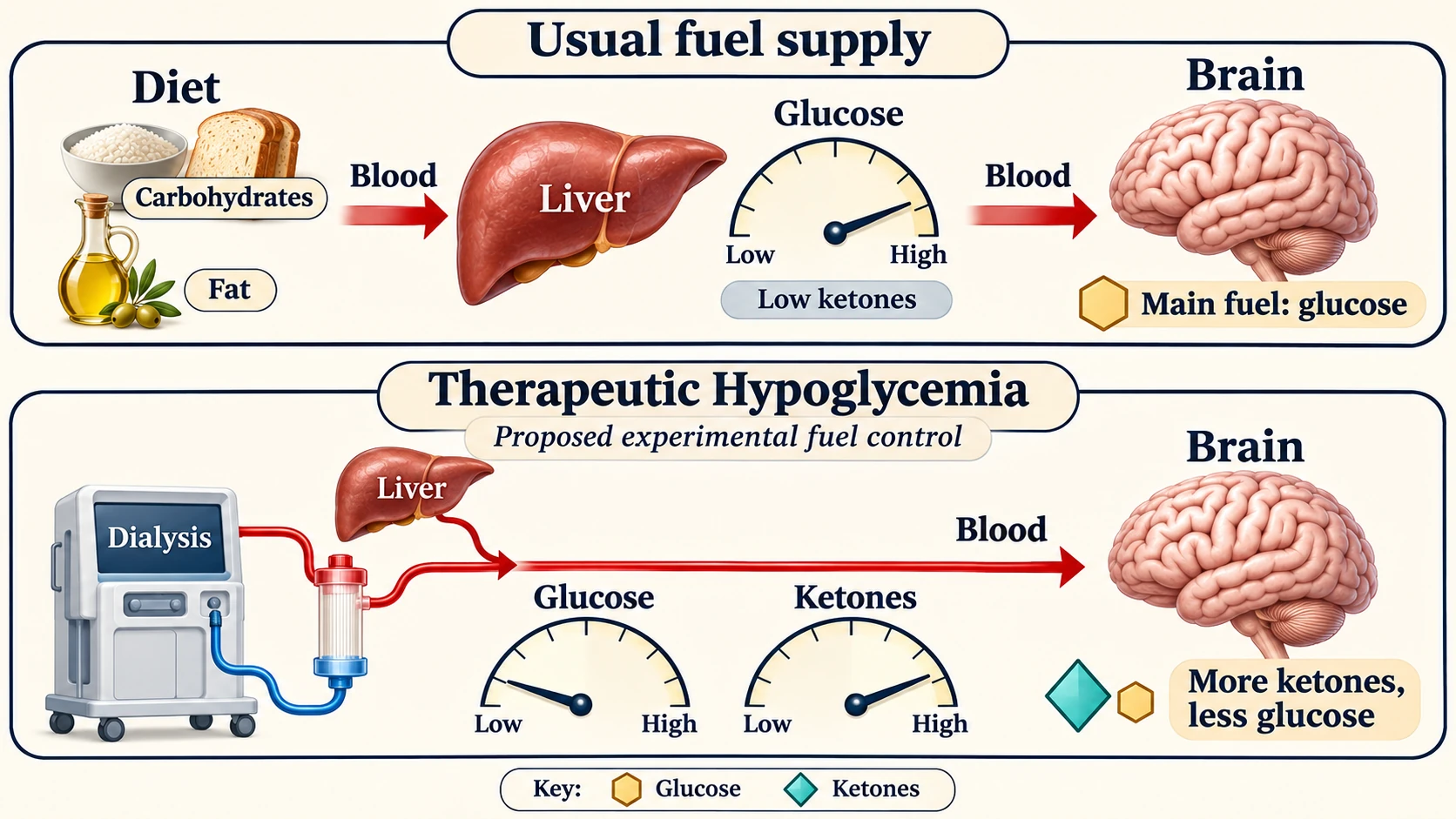
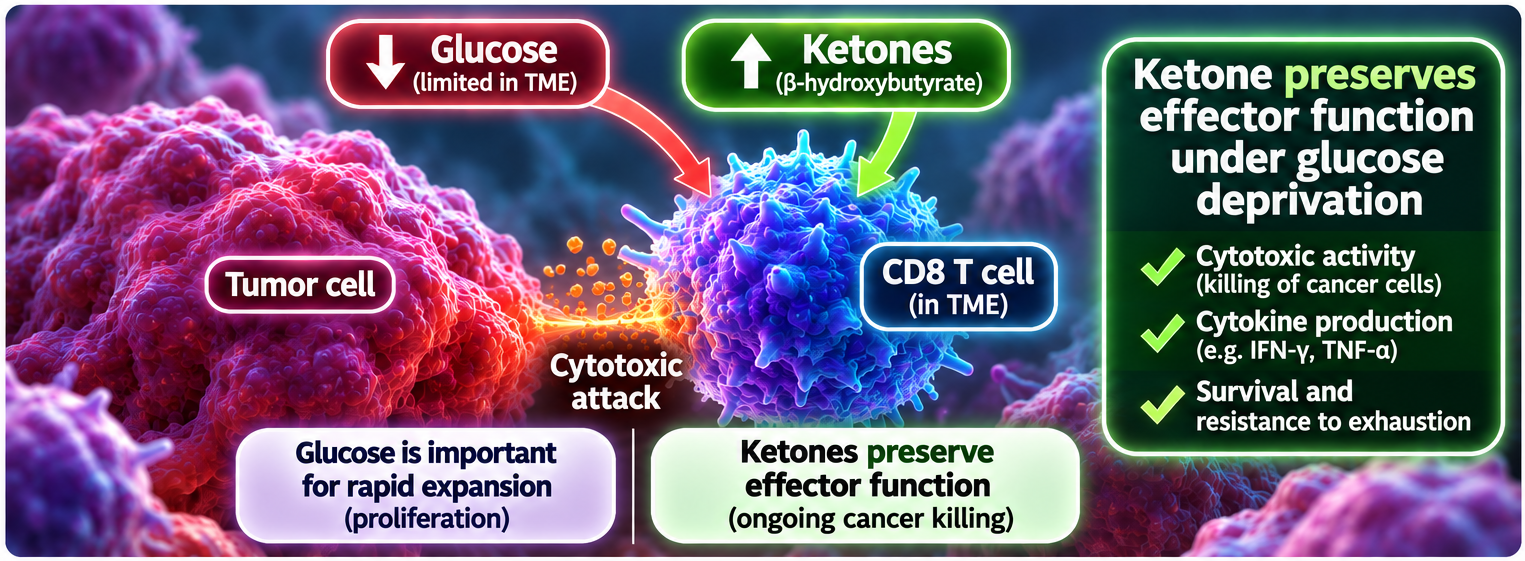
Changing the metabolic environment of a tumor could affect much more than its ATP supply. In our proposed Therapeutic Hypoglycemia approach, the aim is to reduce glucose and glutamine availability while increasing ketones and modifying buffering. The interesting question is how these changes interact across different cell types.

Read the note →
Questions & Perspectives

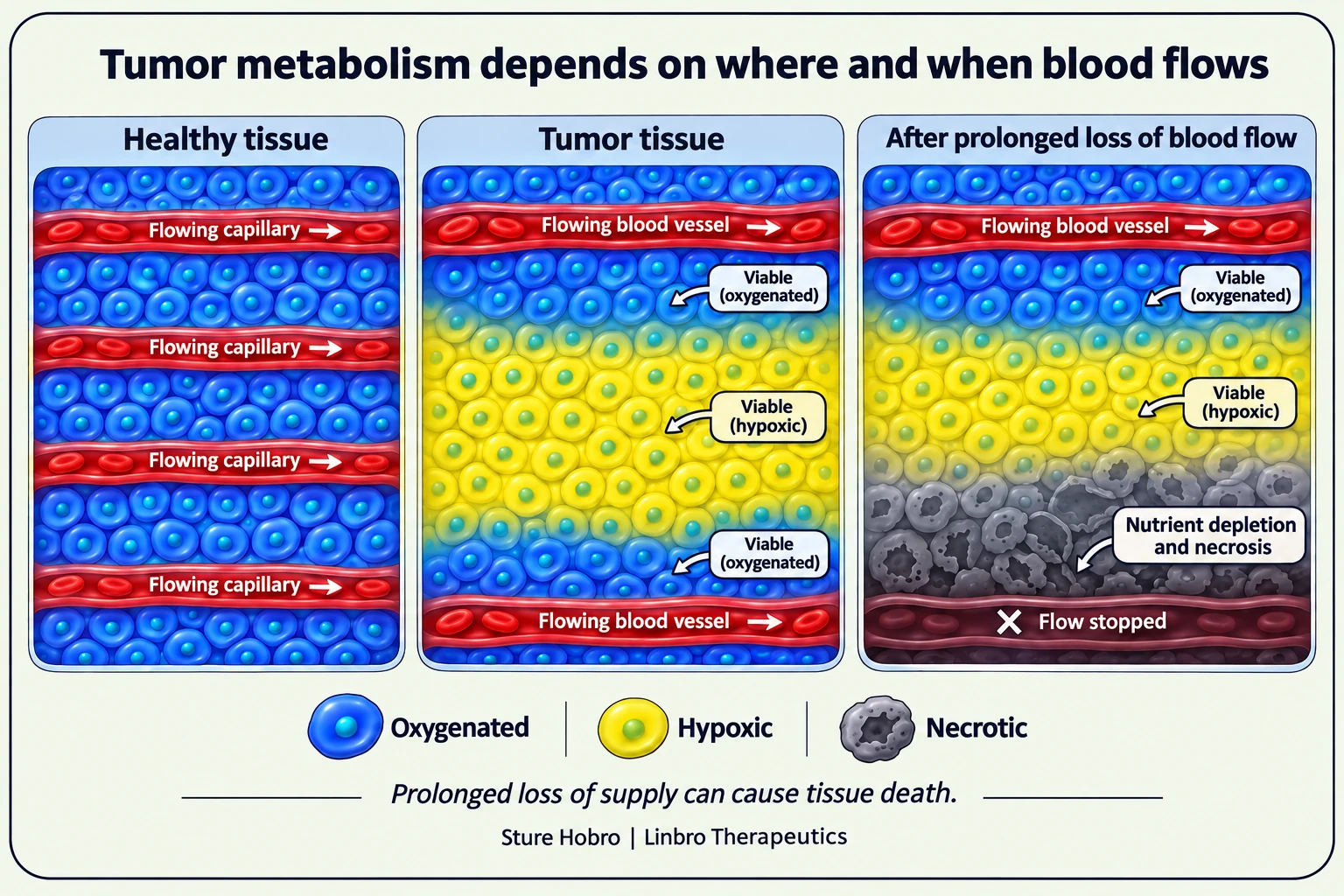
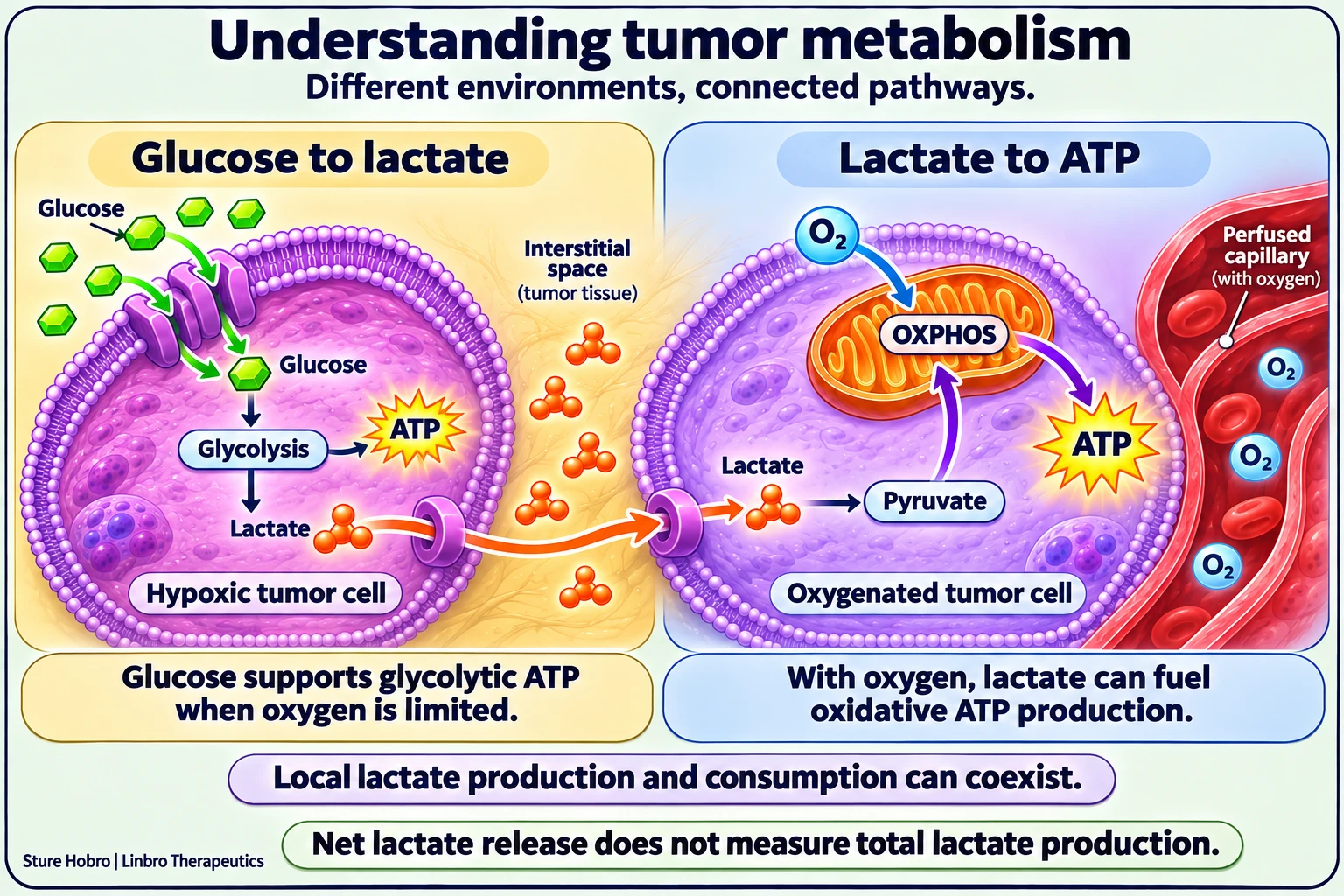
An uneven supply creates an uneven tumor

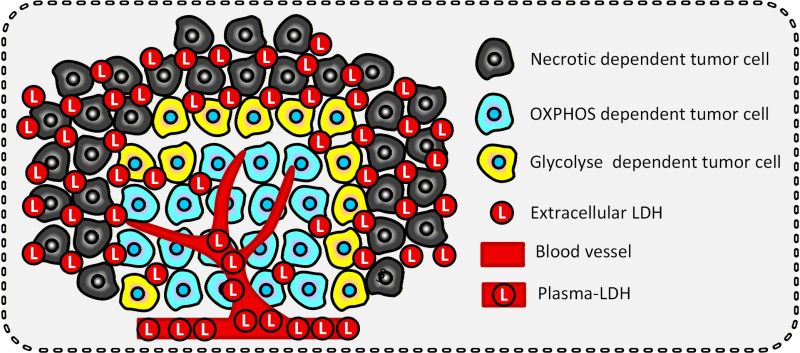
A tumor cell does not live in a constant bath of nutrients. Its metabolic options depend on where it sits and on whether the nearby vessels are carrying blood at that moment.

Read the note →
Questions & Perspectives

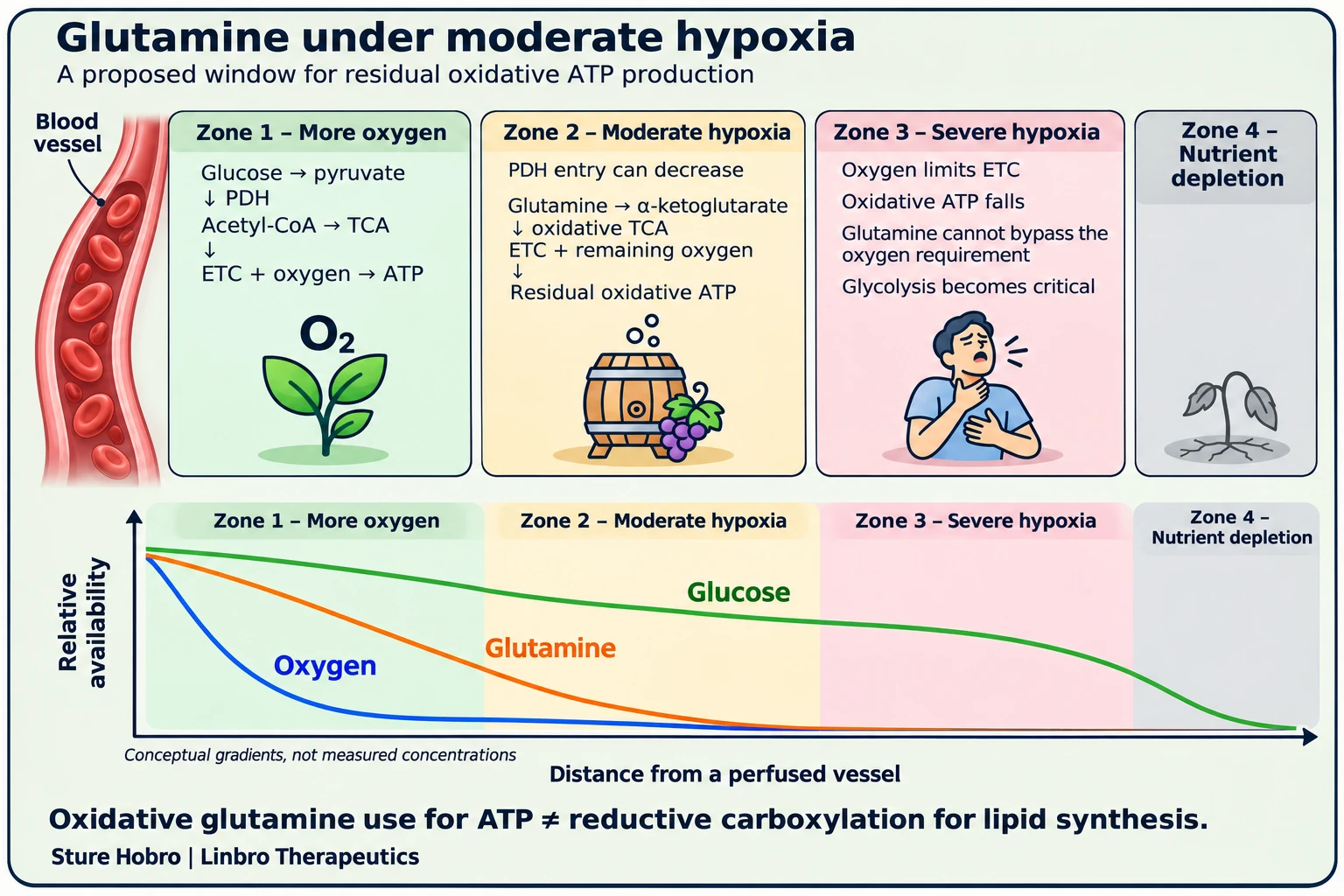
Can glutamine support ATP production under moderate hypoxia?

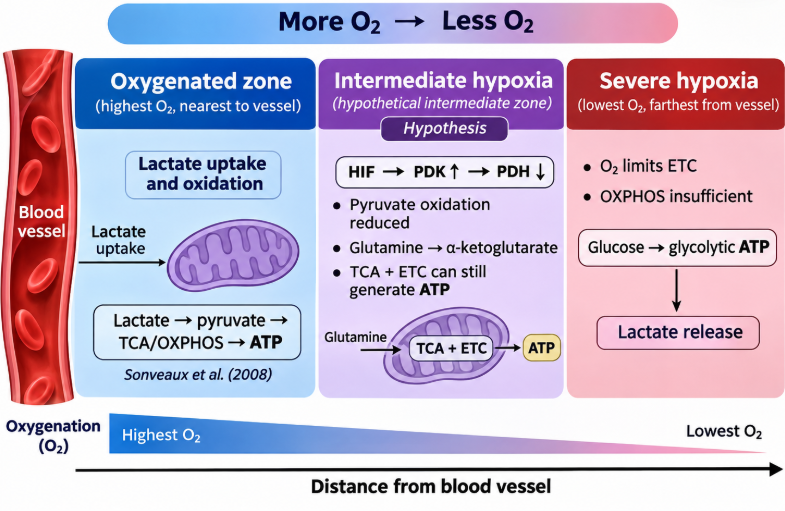
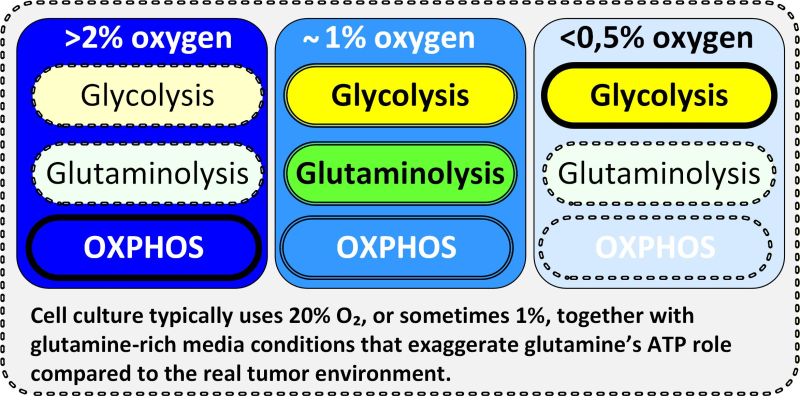
Hypoxia is not an on–off switch. Between a well-oxygenated region and a severely oxygen-starved region, there may be a metabolic window in which oxygen remains available but glucose-derived pyruvate enters the TCA cycle less readily.

Read the note →
Questions & Perspectives

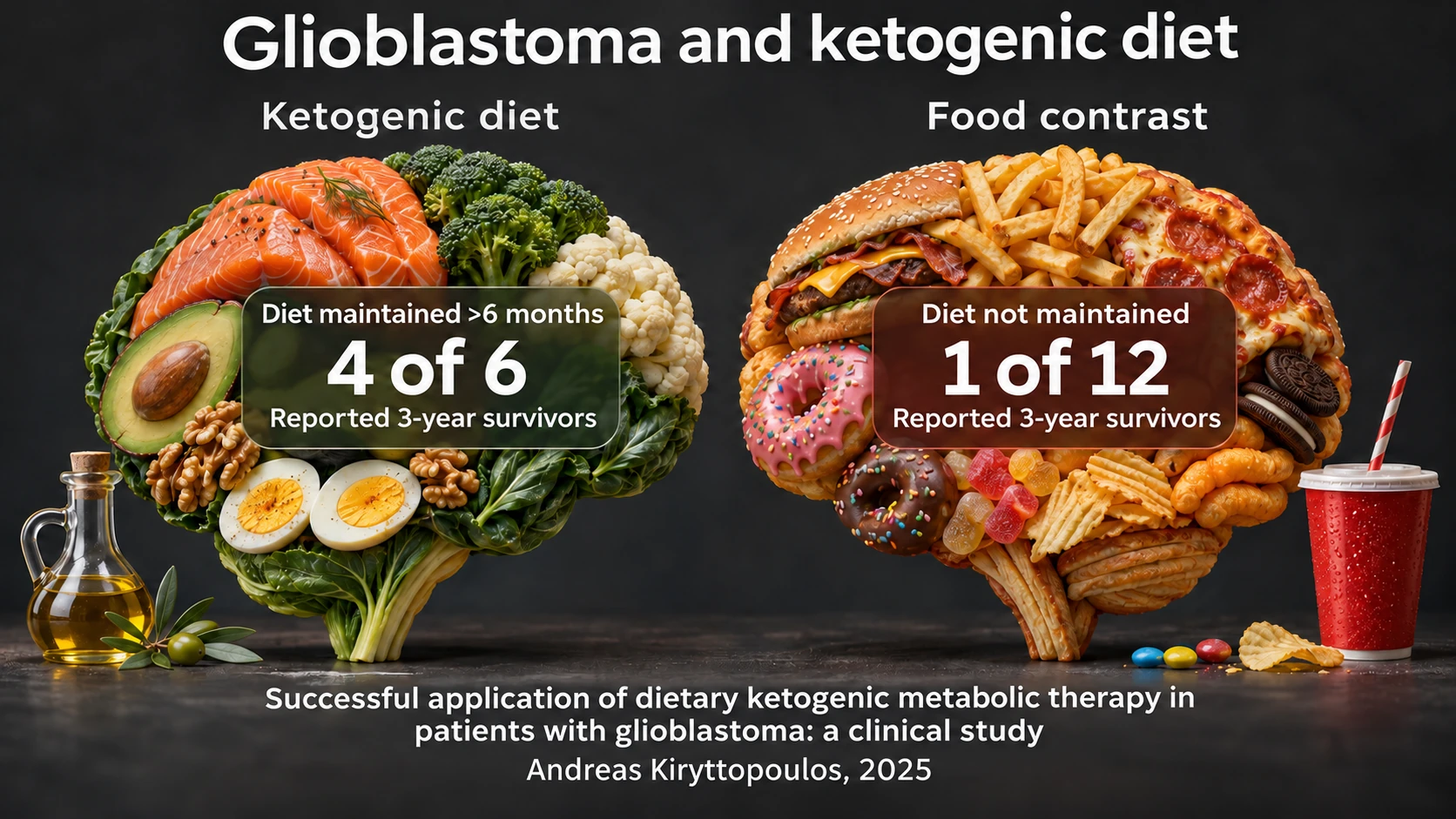
Ketogenic Therapy in Glioblastoma – An Important Step Forward

A small glioblastoma study included eighteen patients. Three-year survival was reported in 4 of 6 who maintained the ketogenic diet for more than six months, compared with 1 of 12 who did not. Selection and survival bias affect this comparison; it does not show that the diet caused the difference.

Read the note →
Questions & Perspectives

Can Tumor Cells Adapt to Ketones Under Hypoxia

Can tumor cells escape glucose restriction by switching to ketones? In severely hypoxic regions, the central obstacle is oxygen: ketones provide ATP through mitochondrial oxidation and cannot replace glucose as a fuel for anaerobic glycolysis.

Read the note →
Questions & Perspectives

Which Cells Truly Need Glucose

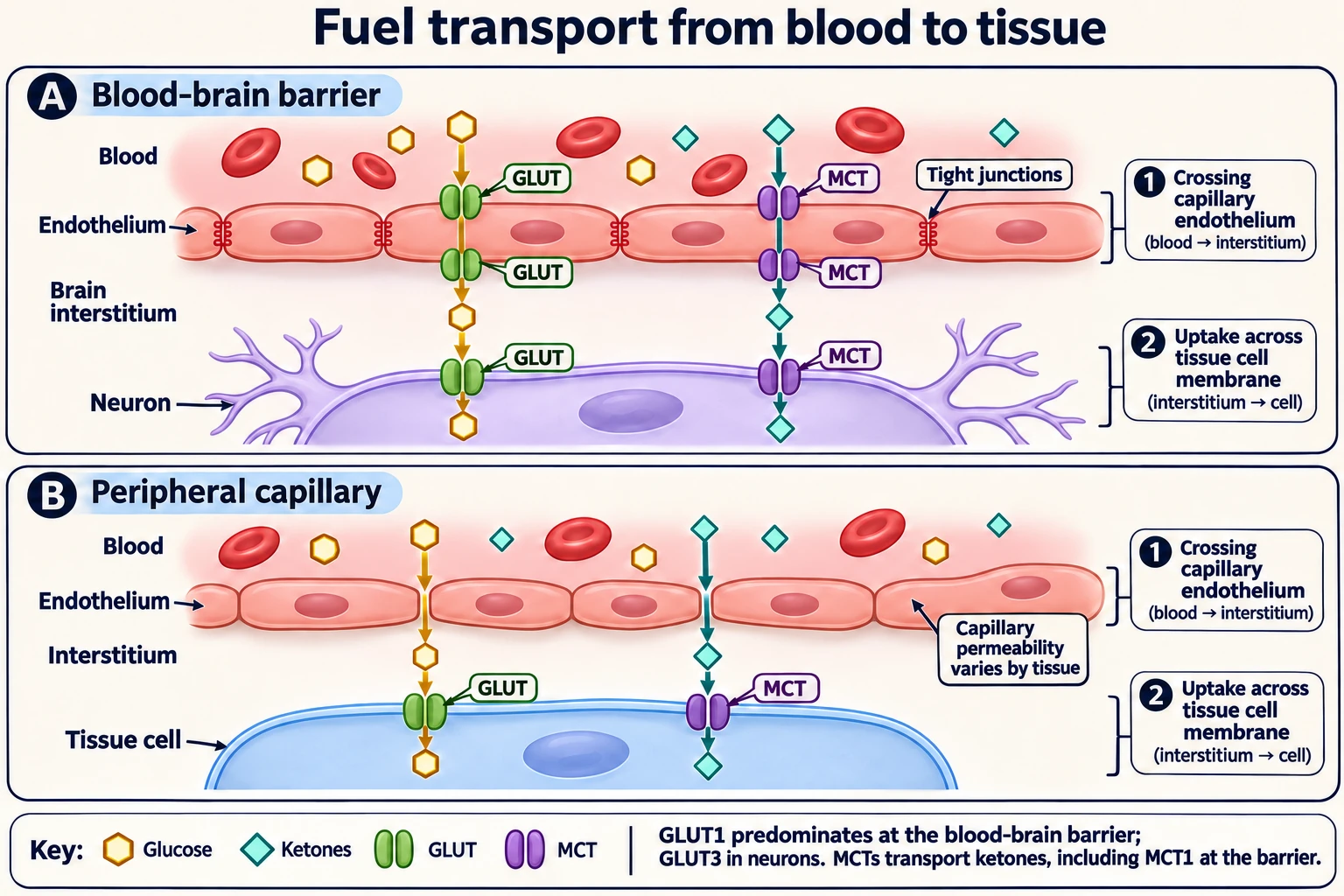
Which cells truly require glucose, and how much do they need when other tissues use alternative fuels? Prolonged fasting studies show that the brain can replace much of its usual glucose consumption with ketones. Those observations describe fuel use during fasting; they do not establish a fixed ceiling for ketone use under a different, controlled fuel supply.

Read the note →
Questions & Perspectives

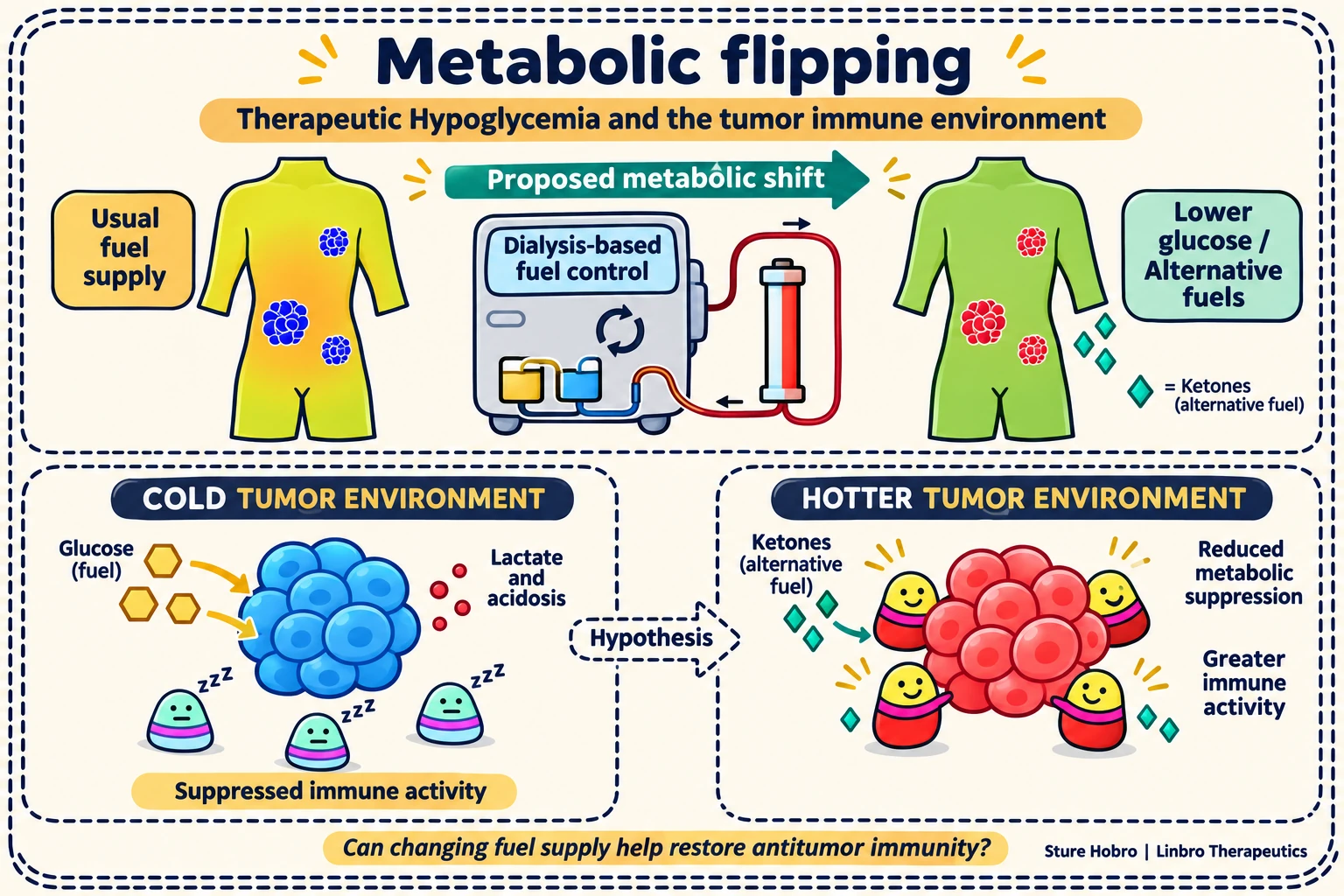
Could Therapeutic Hypoglycemia Help Turn Cold Tumors Hot

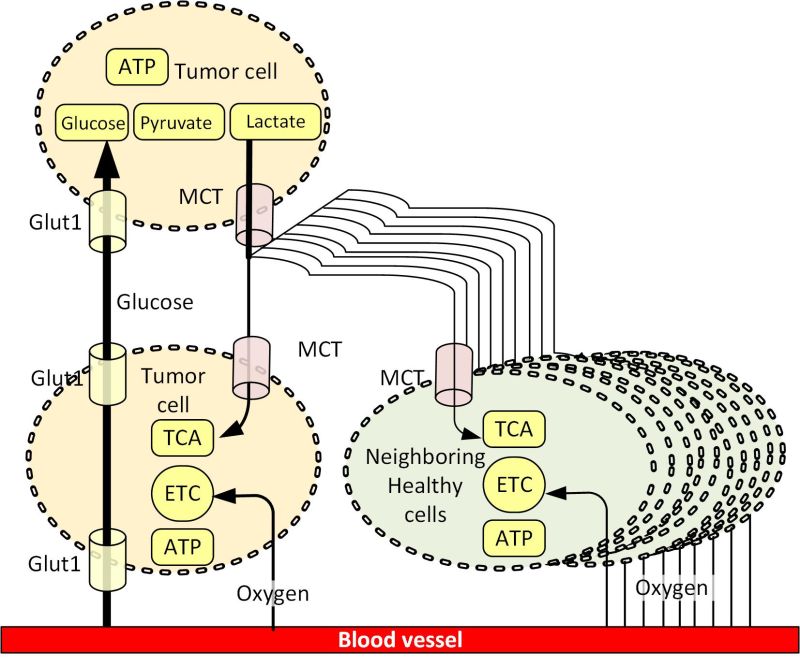
In glycolytic tumor regions, lactate production and acid handling contribute to an acidic, immunosuppressive tumor environment. Local lactate concentration and pH also depend on transport, buffering and clearance.

Read the note →
Questions & Perspectives

FAO Inhibitors: Are We Targeting the Tumor—or the Host?

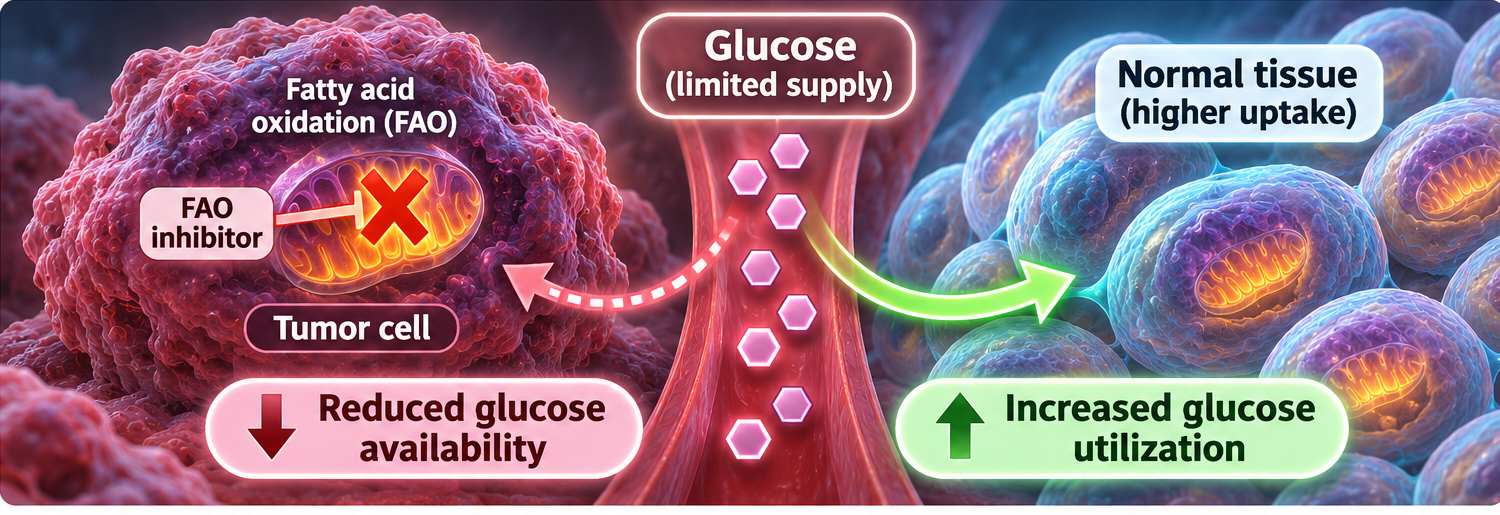
Williams and colleagues (2025) described metabolic communication between triple-negative breast cancer cells and neighboring adipocytes. Their work raises a larger question: when fatty acid oxidation (FAO) is inhibited in a living animal, how much of the antitumor effect comes from the tumor itself—and how much from the rest of the body?

Read the note →
Questions & Perspectives

When Adaptation Becomes a Trap

An adaptation that enables survival can become a disadvantage when conditions change. Could the same be true for tumor metabolism?

Read the note →
Questions & Perspectives

Cancer Metabolism: Which Comes First—Genes or Environment?

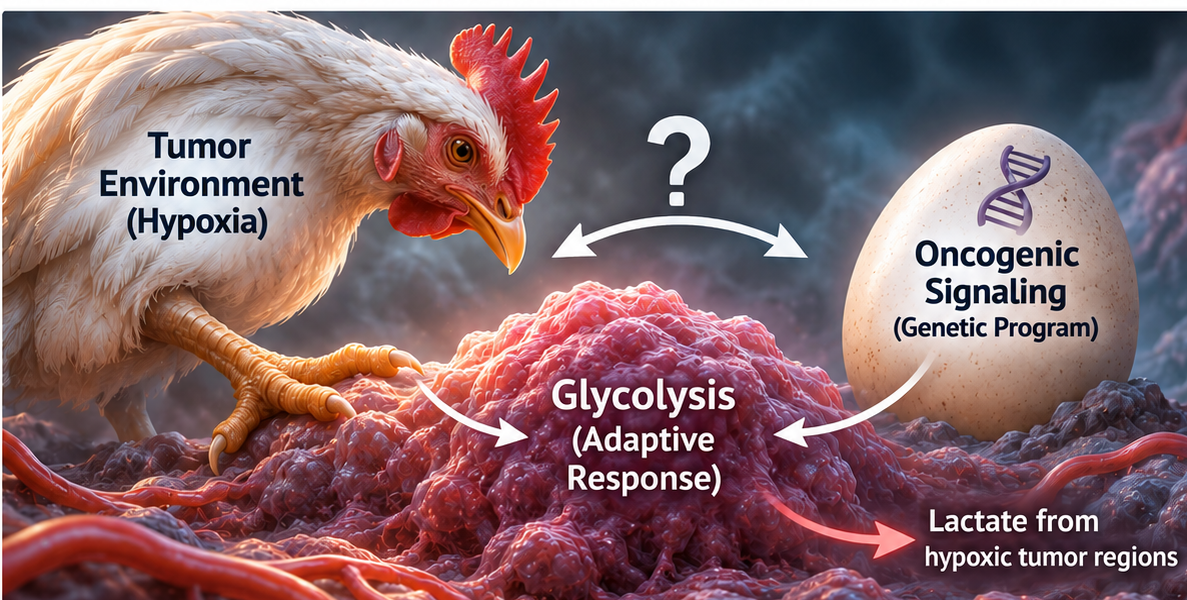
Cancer metabolism is often described as the result of oncogenic mutations: altered genes produce altered metabolism. But in the living tumor, the environment also determines which genes are expressed and which metabolic pathways are used. Are we giving the environment enough credit?

Read the note →
Questions & Perspectives

Cancer Metabolism: Defective Mitochondria—or Too Little Oxygen?

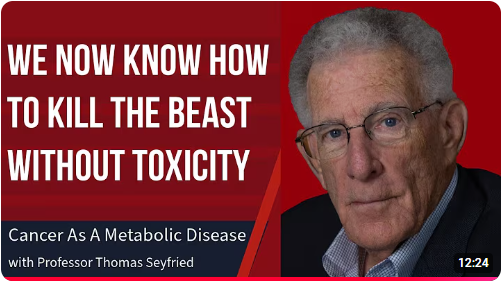
Why do many cancer cells rely so strongly on glycolysis? Thomas Seyfried argues that mitochondrial dysfunction is central to cancer metabolism. We agree that glucose dependence is a potential metabolic vulnerability. We differ on its underlying cause: I believe oxygen, glucose and lactate delivery deserve at least as much attention as the mitochondria themselves.

Read the note →
Questions & Perspectives

Glutamine Under Hypoxia: More Than Fuel

Glucose and oxygen dominate most discussions of tumor metabolism, but glutamine deserves special attention. Its role changes with the oxygen available to the cell.

Read the note →
Questions & Perspectives

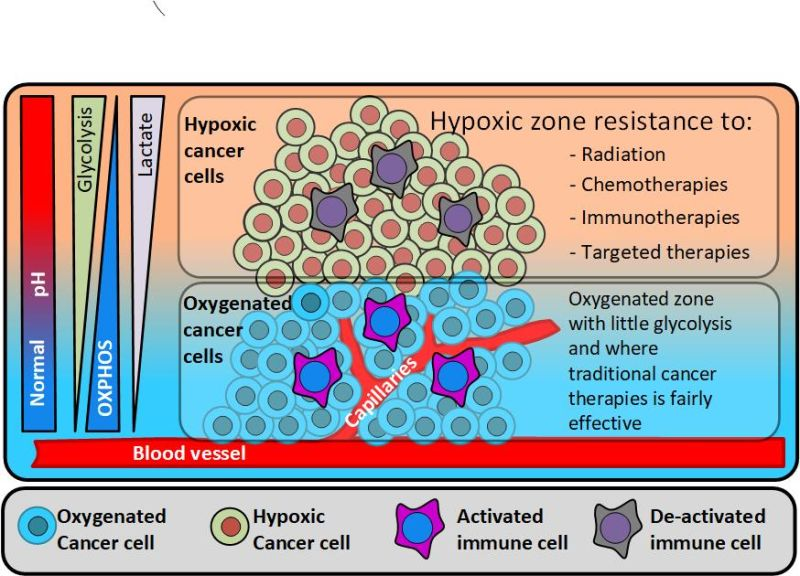
Understanding Tumor Hypoxia and Treatment Resistance

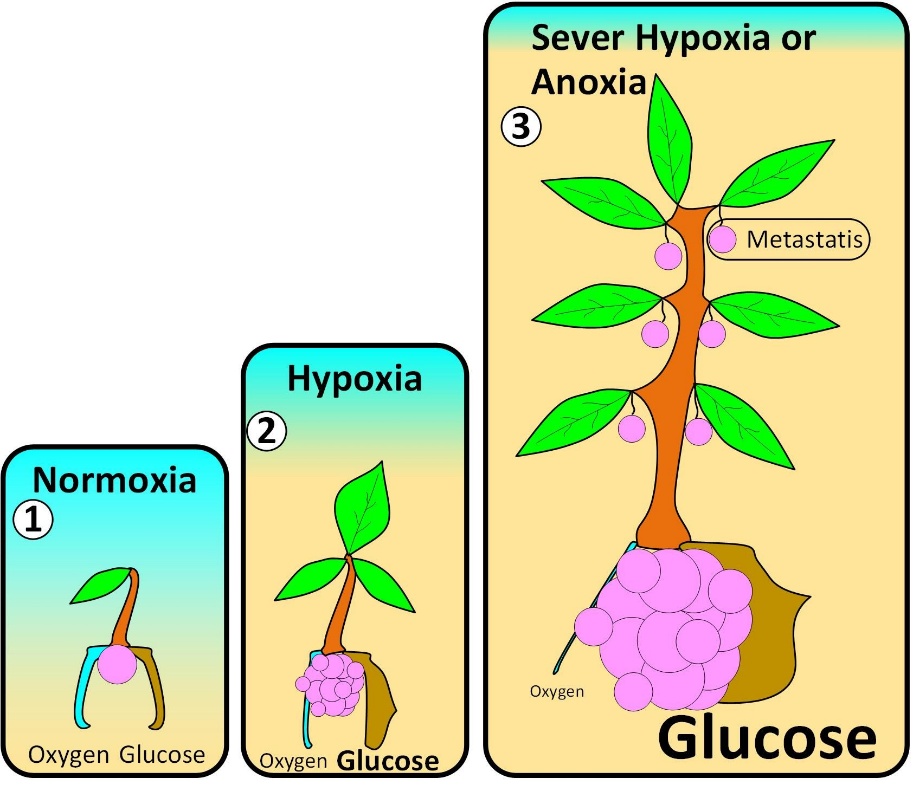
Low oxygen levels are a major challenge in solid tumors. Hypoxia influences responses to radiotherapy, some chemotherapies, immunotherapy and targeted treatments — although the mechanisms are not identical for every therapy.

Read the note →