
Low oxygen levels are a major challenge in solid tumors. Hypoxia influences responses to radiotherapy, some chemotherapies, immunotherapy and targeted treatments — although the mechanisms are not identical for every therapy.
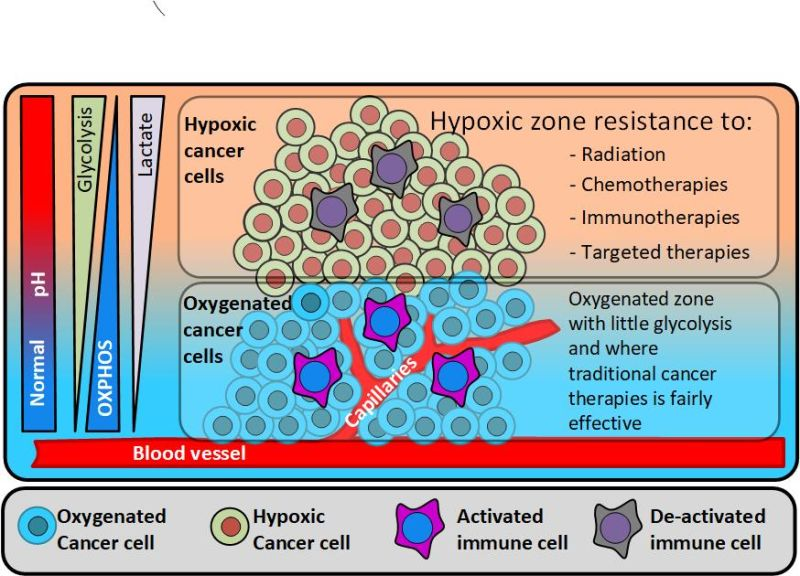
Radiotherapy: Oxygen helps fix radiation-induced DNA damage, making it harder to repair. Consequently, hypoxic cells are more resistant to irradiation.
Chemotherapy: Hypoxic tumor cells are often located far from functioning blood vessels, making it harder for chemotherapy drugs to reach them. Many also divide more slowly, reducing their sensitivity to drugs that target cell division. Together with hypoxia-driven cellular adaptations, these effects contribute to chemotherapy resistance.
Immune responses: Hypoxic tumor regions often accumulate lactate and become acidic. High lactate and low pH suppress important immune functions, including T-cell and NK-cell activity, and complicate immunotherapy.
Distance from blood vessels matters: Oxygen availability decreases with distance from functioning vessels. That creates metabolically different tumor regions and helps explain why cells within the same tumor respond differently to treatment.
These differences suggest a therapeutic opportunity: place additional pressure on the cells most dependent on glycolysis by restricting glucose during a defined treatment window.
Therapeutic hypoglycemia proposes such a short metabolic intervention, potentially lasting several hours, while providing alternative fuels to healthy tissues.
Therapeutic hypoglycemia is an experimental treatment concept, not an established cancer treatment.