
Muscle is more than a source of strength. It helps people remain active and cope with the demands of cancer treatment.
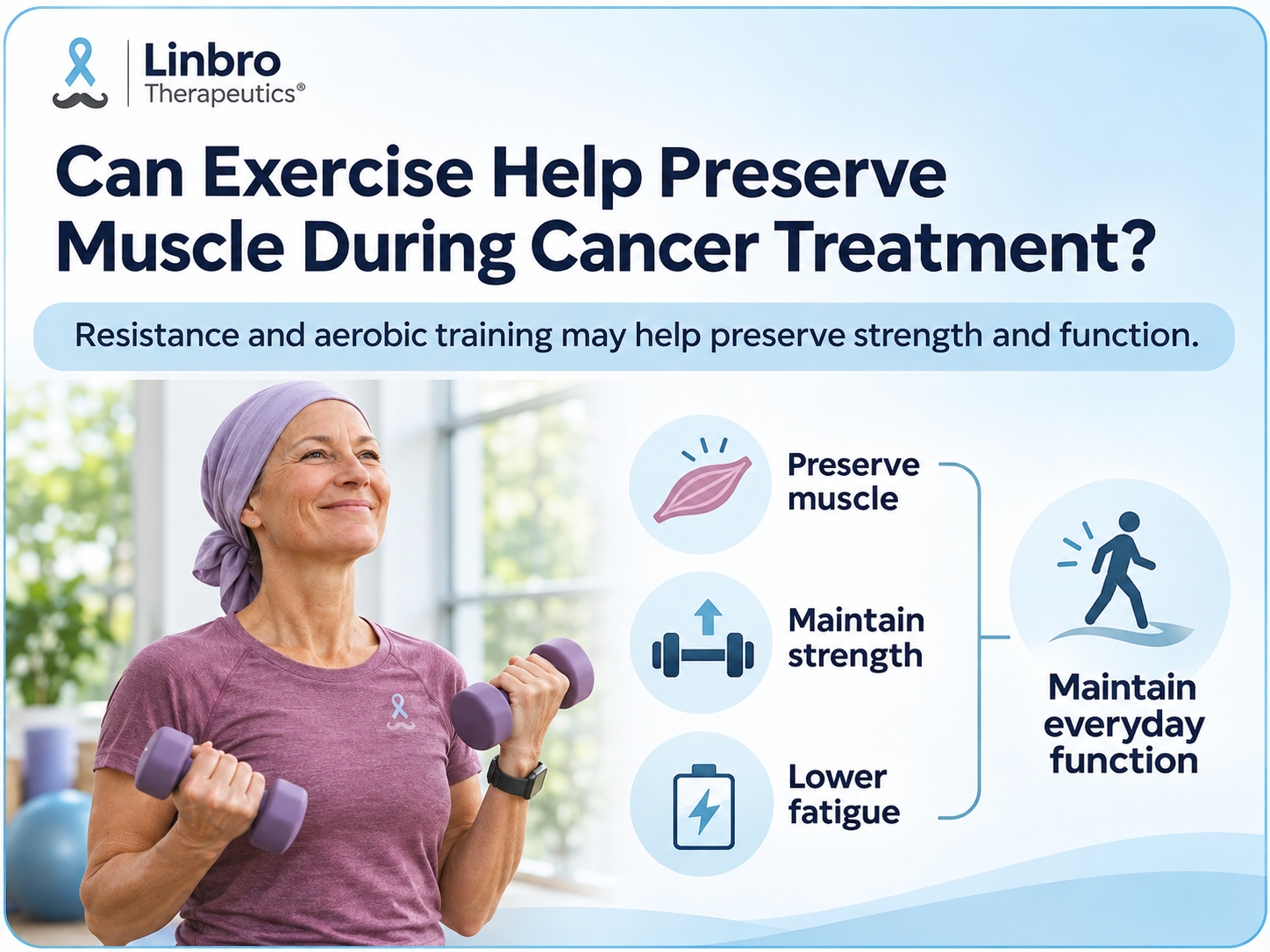
Figure 4. Strength and function during cancer treatment. Illustration of the outcomes studied in the START trial; this image does not depict a measured survival benefit.
Cancer treatment can take a heavy toll on the body. Fatigue, reduced appetite, inactivity and treatment-related symptoms can gradually erode muscle mass and strength.
Muscle is often treated as a cosmetic issue. During cancer treatment, it is something far more important: a reserve of strength, mobility, metabolic capacity and independence.
Can patients train during chemotherapy?
The randomized START trial, published in 2007, followed 242 women receiving chemotherapy for breast cancer. Participants received usual care, supervised resistance training or supervised aerobic training during their treatment.
The trial’s main outcome was cancer-specific quality of life. Neither training group showed a statistically significant improvement on that measure. But several other results were striking.
Resistance training improved muscle strength, lean body mass and self-esteem compared with usual care. It was also associated with a higher chemotherapy completion rate. Aerobic training improved aerobic fitness and self-esteem.
The distinction matters. The study did not demonstrate longer survival, and it did not succeed on its primary quality-of-life endpoint. It did show that patients could exercise during chemotherapy and gain measurable physical benefits.
Muscle is also a metabolic organ
Skeletal muscle is one of the body’s major sites for glucose uptake and storage. It helps regulate insulin sensitivity, stores glycogen and supplies the strength needed for everyday activity.
Losing muscle can mean losing the ability to walk comfortably, climb stairs, carry shopping or remain independent. In patients who struggle to maintain weight, it can also make aggressive dietary restrictions particularly problematic.
Preserve the body that must undergo treatment
The practical lesson is that strength training deserves a place alongside aerobic exercise. This does not require heavy weights or a gym membership. Appropriately adapted resistance bands, light weights and repeated rises from a chair can all challenge the muscles.
Exercise does not need to shrink a tumor to matter. Helping patients preserve strength, function and the ability to complete treatment is important in its own right.
Research sources
Courneya KS et al. (2007). Effects of Aerobic and Resistance Exercise in Breast Cancer Patients Receiving Adjuvant Chemotherapy: A Multicenter Randomized Controlled Trial. Journal of Clinical Oncology 25, 4396–4404. https://doi.org/10.1200/JCO.2006.08.2024
Comments
How your comment is handled
Linbro Therapeutics AB is responsible for comments. Your display name, text and date are published if your comment is approved. Your ChatGPT identity is used for sign-in and spam prevention, but is not shown publicly. Pending comments are deleted within 90 days. Approved comments remain until removed or the comment service is discontinued. Do not include sensitive health information. Contact sture.hobro@linbrotherapeutics.com to request removal or ask about how comments are handled.