
A short metabolic intervention around chemotherapy
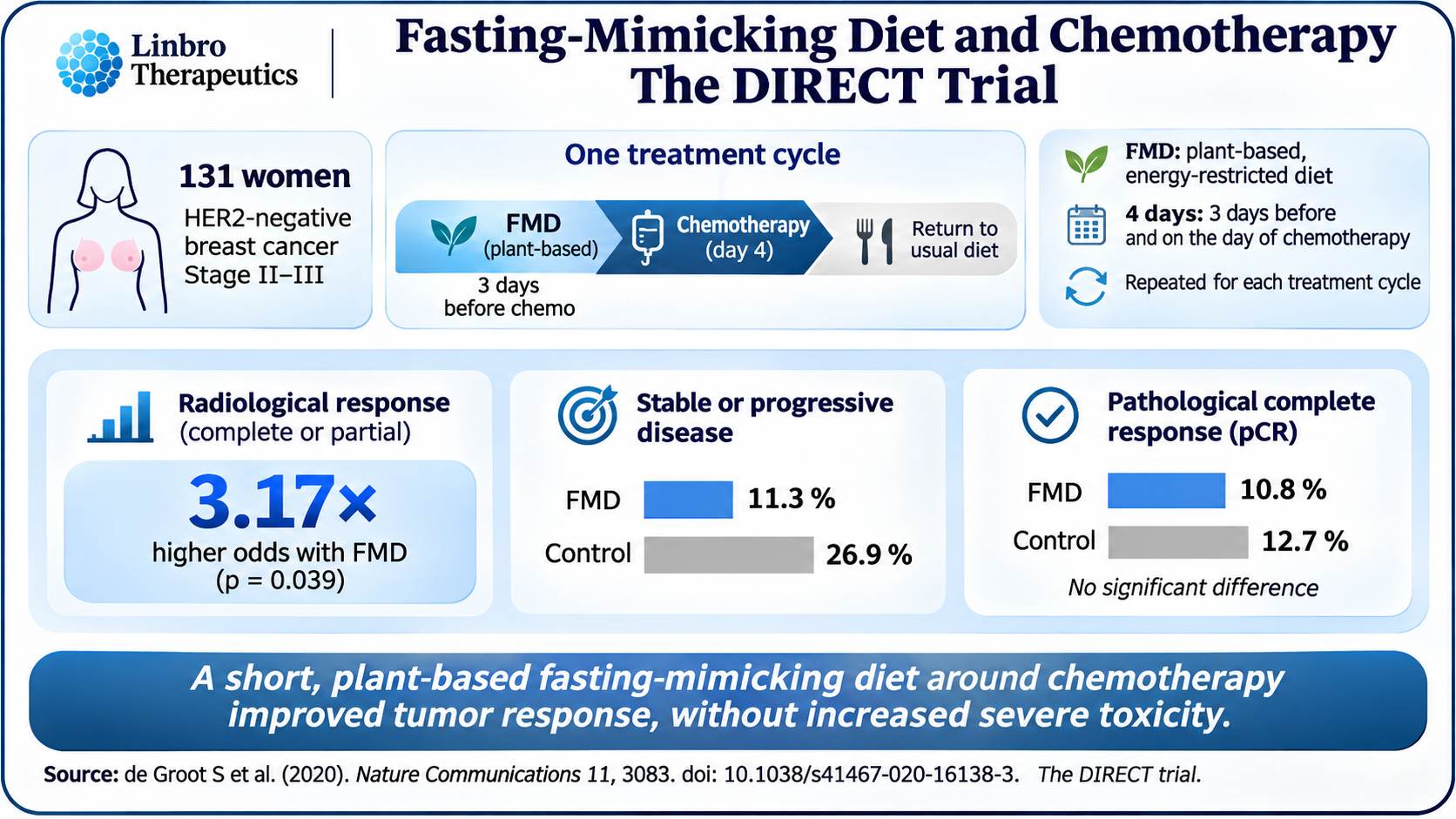
Figure 1. Fasting-mimicking diet and chemotherapy in the DIRECT trial.
In this randomized phase II study, 131 women with HER2-negative stage II–III breast cancer received either their usual diet or a four-day, plant-based fasting-mimicking diet (FMD) around chemotherapy. The FMD group had higher adjusted odds of radiological response.
Could a few days of dietary restriction make chemotherapy more effective?
The DIRECT trial, published by de Groot and colleagues in 2020, investigated this question in 131 women with HER2-negative stage II or III breast cancer.
Patients were randomized to receive either their regular diet or a four-day, plant-based fasting-mimicking diet (FMD). The intervention began three days before chemotherapy and continued through the treatment day. Patients then returned to their usual diet until the next treatment cycle.
Personally, I would have been interested in testing whether extending the dietary intervention for another three days after chemotherapy could enhance its effect. This would address a different question: might a transient restriction of circulating fuels influence how surviving tumor cells recover after treatment? The DIRECT trial did not test this longer schedule.
Even without extending the intervention, the results were encouraging.
Patients allocated to FMD had significantly higher odds of achieving a complete or partial radiological response. The multivariable adjusted odds ratio was 3.168 (p = 0.039).
The proportion of patients with stable or progressive disease was also markedly lower: 11.3% in the FMD group compared with 26.9% in the control group.
In the per-protocol analysis, patients who followed the diet for at least half of their chemotherapy cycles were significantly more likely to achieve a strong pathological response—90–100% tumor-cell loss on the Miller–Payne scale (adjusted OR 4.109; p = 0.016).
Another interesting finding concerned the protection of healthy cells. FMD reduced chemotherapy-induced DNA damage in T-lymphocytes. Severe treatment-related toxicity was not significantly different between groups, despite the omission of routine dexamethasone premedication during AC/FEC chemotherapy in the FMD group.
Pathological complete response (pCR), however, did not differ significantly between the groups. Patients with diabetes and underweight patients were excluded from the study.
Adherence was the major practical difficulty: only 22 of the 65 patients allocated to FMD met the per-protocol criterion of following the diet for at least half of the chemotherapy cycles.
For me, the particularly interesting finding is that the metabolic intervention was concentrated around chemotherapy rather than maintained continuously.
This raises an important question: could a temporary change in glucose and other circulating fuels make cancer cells more vulnerable precisely when chemotherapy is administered?
Therapeutic Hypoglycemia offers a different experimental approach to this idea. Instead of relying on repeated dietary restriction, could circulating fuel availability be controlled for a limited period around cancer treatment?
The DIRECT trial provides a compelling reason to investigate this possibility further.
Source: de Groot S et al. (2020). Fasting mimicking diet as an adjunct to neoadjuvant chemotherapy for breast cancer in the multicentre randomized phase 2 DIRECT trial. Nature Communications 11, 3083.
Comments
How your comment is handled
Linbro Therapeutics AB is responsible for comments. Your display name, text and date are published if your comment is approved. Your ChatGPT identity is used for sign-in and spam prevention, but is not shown publicly. Pending comments are deleted within 90 days. Approved comments remain until removed or the comment service is discontinued. Do not include sensitive health information. Contact sture.hobro@linbrotherapeutics.com to request removal or ask about how comments are handled.