
A striking mouse study shows that physical activity can change the blood vessels and oxygen conditions inside a tumor.
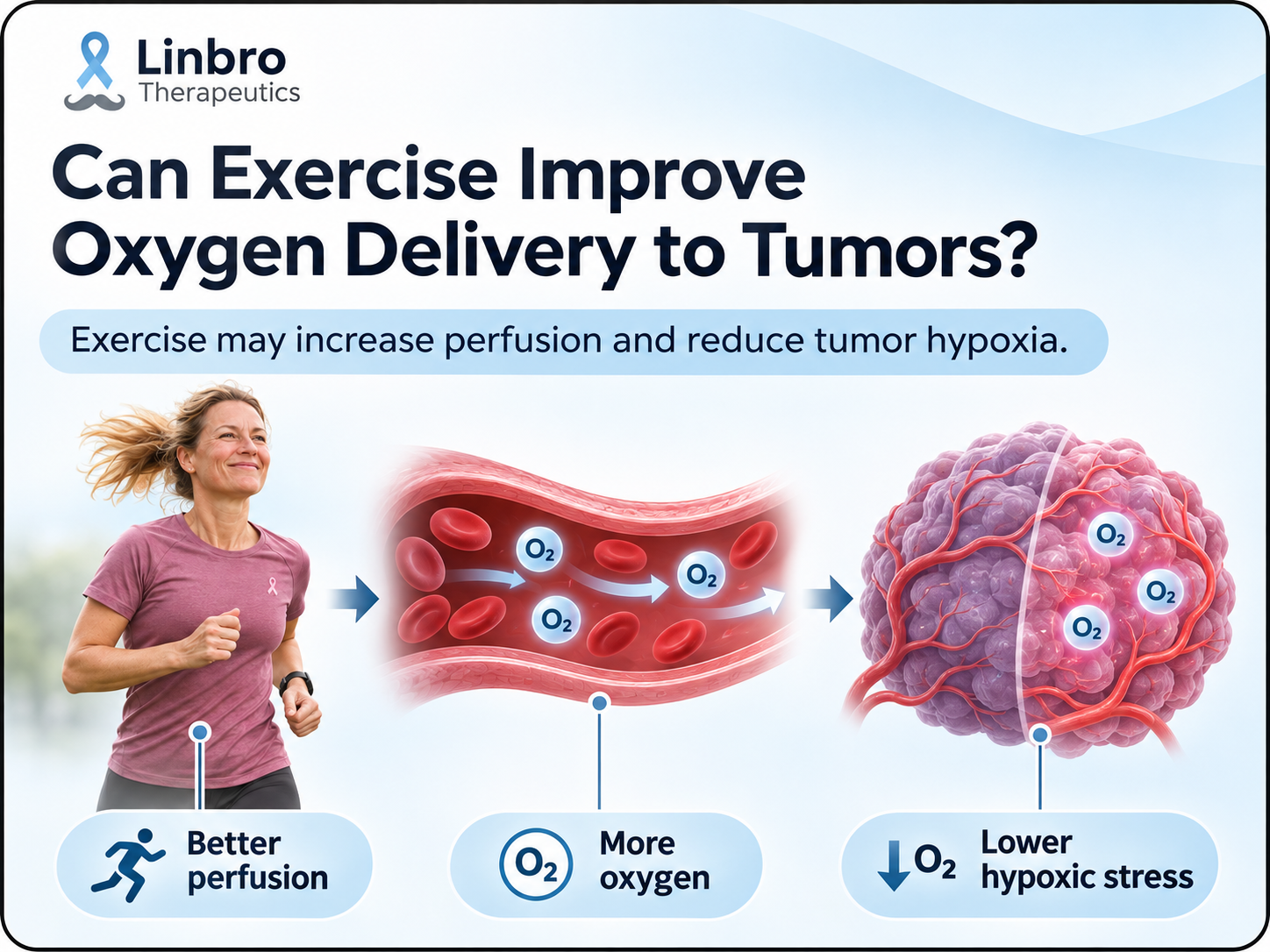
Figure 2. Exercise, tumor perfusion and oxygen delivery. Conceptual illustration based on the mouse experiments by Betof and colleagues.
Many solid tumors are poorly supplied with oxygen. Their blood vessels are irregular, blood flow is uneven and some regions become severely hypoxic.
That matters because oxygen availability changes how tumor cells produce energy. Well-oxygenated cells can use mitochondrial oxidative phosphorylation, while severely hypoxic cells become increasingly dependent on glycolysis. Hypoxia also makes several cancer treatments less effective.
Exercise changed the tumors
In 2015, Betof and colleagues studied mice with breast tumors and compared animals that had access to running wheels with sedentary mice.
In the exercising mice, tumor blood vessels became more numerous and better organized. Microvessel density increased from 22.5 to 32.2 vessels per square millimetre. The proportion of tumor area classified as hypoxic fell from 48.8% to 25.5%.
The change had a practical consequence. Exercise alone slowed tumor growth, and exercise combined with the chemotherapy drug cyclophosphamide delayed tumor growth more than chemotherapy alone.
Is more oxygen really good for a tumor?
At first, supplying a tumor with more oxygen and nutrients sounds like a bad idea. Cancer cells need these resources to survive and grow.
But poor circulation also prevents drugs from reaching parts of a tumor and creates treatment-resistant hypoxic regions. Better-functioning vessels can therefore make the tumor more accessible to treatment. That is exactly what the experiment illustrated.
This is particularly interesting in the context of tumor metabolism. Exercise did not simply make the mice fitter. It changed the conditions inside the tumors themselves.
A promising mechanism
The study was performed in mice, not cancer patients. It does not establish that every human tumor becomes better oxygenated during exercise. It does show something important: physical activity can modify tumor perfusion, hypoxia and treatment response in a living organism.
That raises an intriguing possibility for cancer care: exercise may sometimes help treatment not only by strengthening the patient, but also by making the tumor easier to treat.
Research sources
Betof AS et al. (2015). Modulation of Murine Breast Tumor Vascularity, Hypoxia, and Chemotherapeutic Response by Exercise. Journal of the National Cancer Institute 107(5), djv040. https://doi.org/10.1093/jnci/djv040
Comments
How your comment is handled
Linbro Therapeutics AB is responsible for comments. Your display name, text and date are published if your comment is approved. Your ChatGPT identity is used for sign-in and spam prevention, but is not shown publicly. Pending comments are deleted within 90 days. Approved comments remain until removed or the comment service is discontinued. Do not include sensitive health information. Contact sture.hobro@linbrotherapeutics.com to request removal or ask about how comments are handled.